Library — Readiness
The warrior at the end of the line
Readiness is decided long before the mission: in a depot, a supplier two tiers down, a window that closes. By the time a shortfall reaches the unit, it was decided weeks earlier.
01The problem
A shortfall is rarely invisible. It is visible in the wrong place, to the wrong person, too late.
The supply line behind a unit runs through depots, repair shops, primes, the suppliers below them, lift schedules and fuel stocks. Each is run well, on its own system. A purchase order knows a date has moved. A depot schedule knows a module is late. A lift plan knows what is booked. None of them knows what the other two mean.
So readiness is assembled by hand, for the next brief, from figures that were already old when they were copied. The unit is the first place all of those facts finally meet, and by then the only move left is the expensive one.
The supply line does not fail at the front. It fails upstream, and the front is where it is found.
02How it plays out
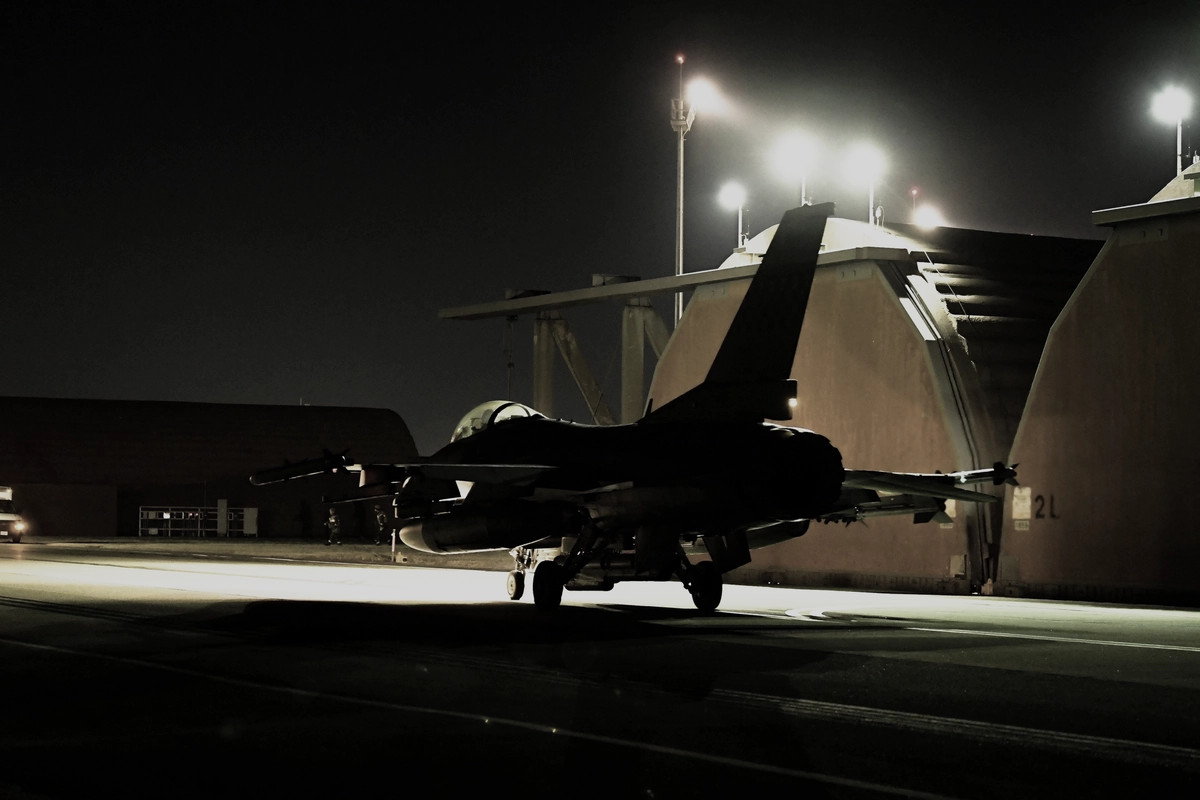
A fighter squadron is forty days from deploying. Its availability rests on a pool of engines, a depot's repair throughput and a forging made by one supplier two tiers below the prime.
An illustrative sequence, not a customer account.
The signal
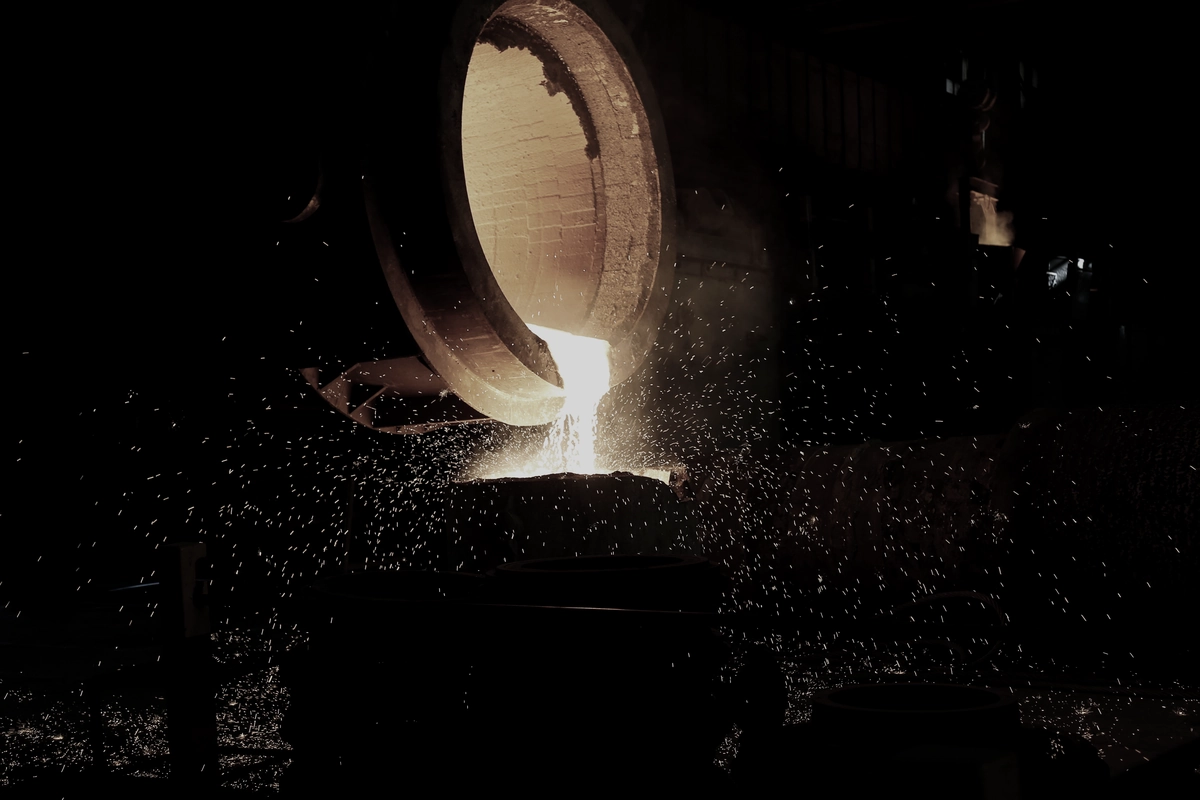
A sub-tier supplier's furnace stays down for maintenance three weeks longer than planned. It appears as a revised date on a purchase order the prime has not yet passed on.
What it means
Theralon follows it forward. The forging feeds a turbine module the depot needs for four engines in repair. Without them, the squadron deploys two aircraft short on day 41, and the lift that would carry spare engines leaves the week before.
What is recommended
Three moves are weighed against the whole supply line: pull two modules from a lower-priority repair line, put a spare engine on the earlier lift, or qualify a second source the industrial base already uses. Each carries the readiness it protects and what it costs elsewhere.
What follows
The sustainment lead approves a move the same day. The decision, its evidence and the outcome are recorded together, so the next slip at that supplier is read against the last one.
Nothing here needed a new system. Every fact already existed, in a purchase order, a depot schedule and a lift plan. What changed is that they were read together, forty days out instead of one.
On your supply line
We'd show you readiness before the unit feels it.
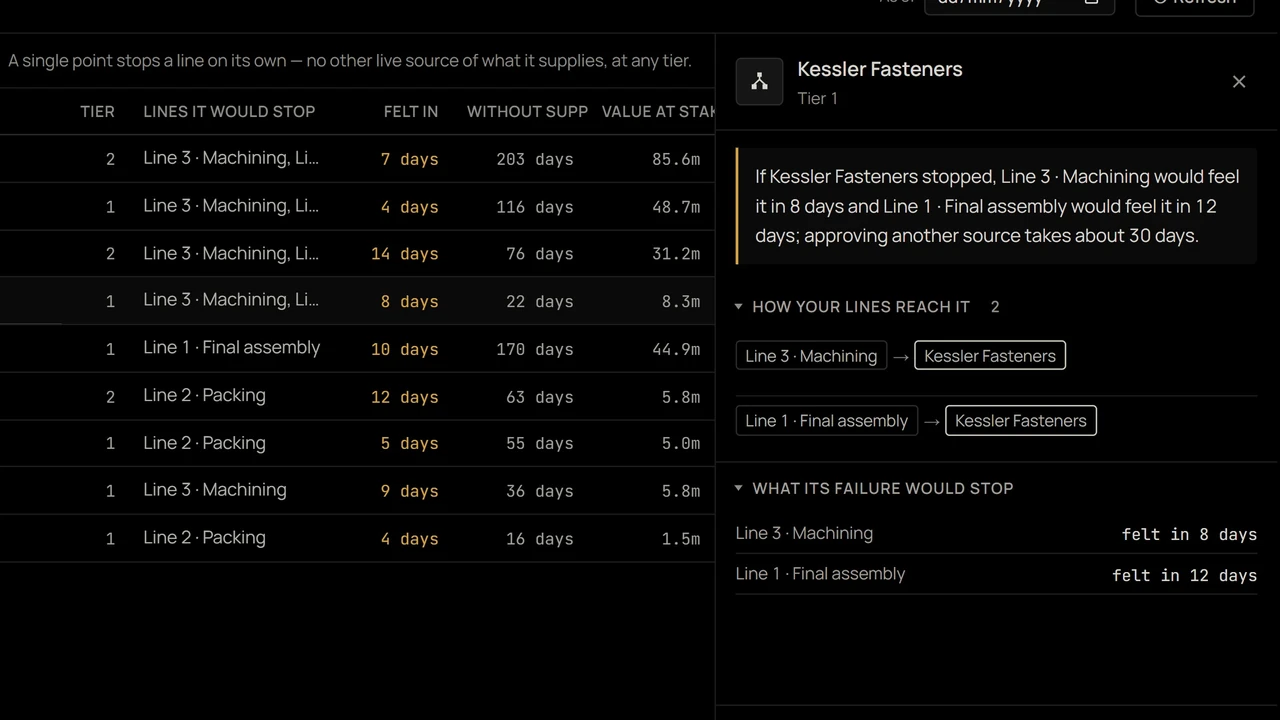
Terra reads spares, repair throughput, lift and suppliers as one live model. Vigil traces the commitments below the first tier and shows the evidence behind every figure.
- Shortfalls dated to the unit they reach
- The sub-tier supplier behind every critical part
- Moves weighed with their evidence, before the window closes
A screen from Terra, on synthetic data.
03Where Theralon applies
- 01
Spares and repair loops
Demand, stock, repair turnaround and lead times read together, so the part that will ground a platform is named with its date.
- 02
Depot throughput
Induction, parts and people across the depot, so the bottleneck shows before the schedule slips.
- 03
Lift windows
Airlift and sealift capacity against what has to move, so the requisition that will miss its window moves first.
- 04
Fuel and munitions
Consumption against resupply by location, while there is still time to move stock.
- 05
Below the first tier
Every critical part followed back to the single source nobody had written down.
- 06
Readiness as a live picture
Availability read from the supply line as it stands, not rebuilt for the next brief.
04What changes
Readiness compiled for the brief
Readiness read from the live supply line
Shortfalls found at the unit
Shortfalls found at the source, with a date
Sub-tier suppliers unknown
Every single source named in advance
05Under the hood
Depots, parts, platforms, suppliers, lift and units are held in the Principia as one connected model, so a question such as which units a slipping supplier reaches has a direct answer. Every recommendation carries its evidence and a stated confidence, and nothing changes until a person approves it.
Two questions
- Does anything tell you which platform will be short for want of one part, and on what day?
- If a supplier two tiers down slipped a month, could you see today which units it reaches?
Terra and Vigil do both. See it on your supply line.
Show us where the supply line breaks down. We build around the systems you already run, and you compare it with what you run today.
Start with one supply line. Add the rest when it has earned it.